
Elliott Wave Principle - Market Cycles and Trading Psychology
The Elliott Wave Principle is one of the most powerful concepts in technical analysis used by professional traders and investors worldwide. Developed by Ralph Nelson Elliott, the Elliott Wave Principle explains how financial markets move in repetitive cycles driven by investor psychology, crowd behavior, fear, and greed. Today, traders use Elliott Wave Theory in forex, stocks, commodities, and cryptocurrency markets to identify trends, reversals, and profitable trading opportunities.
Elliott Wave Explained simply means understanding how market prices move in wave-like structures. According to the theory, price movement is not random. Instead, financial markets follow recurring wave patterns that reflect collective human emotions.
The Elliott Wave Principle divides market movements into:
- Five impulse waves
- Three corrective waves
Impulse waves move in the direction of the main trend, while corrective waves move against it.
The Five-Wave Impulse Structure
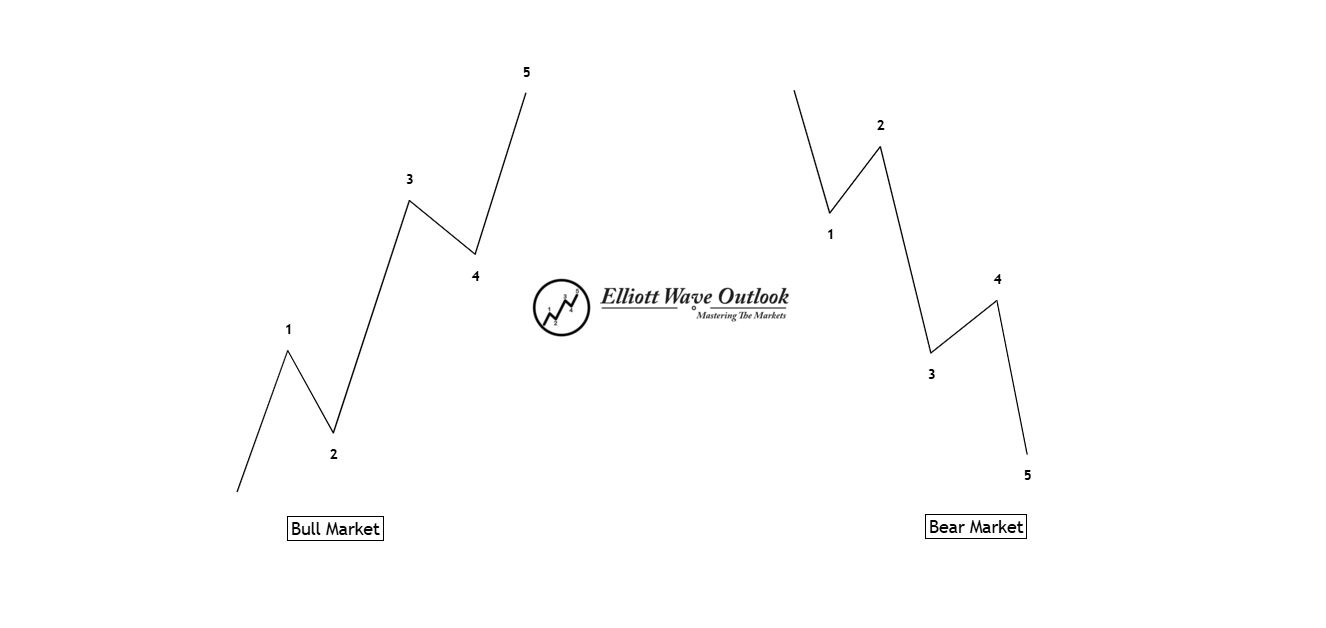
The core foundation of the Elliott Wave Principle is the five-wave impulse pattern. In a bullish market trend, the structure appears as follows:
Wave 1: A new upward trend begins
Wave 2: A temporary pullback occurs
Wave 3: The strongest and longest bullish wave
Wave 4: Another correction phase
Wave 5: Final upward movement before reversal
Wave 3 is usually the most powerful because market confidence increases and more traders join the trend. This wave often experiences high momentum and strong trading volume.
ABC Corrective Pattern
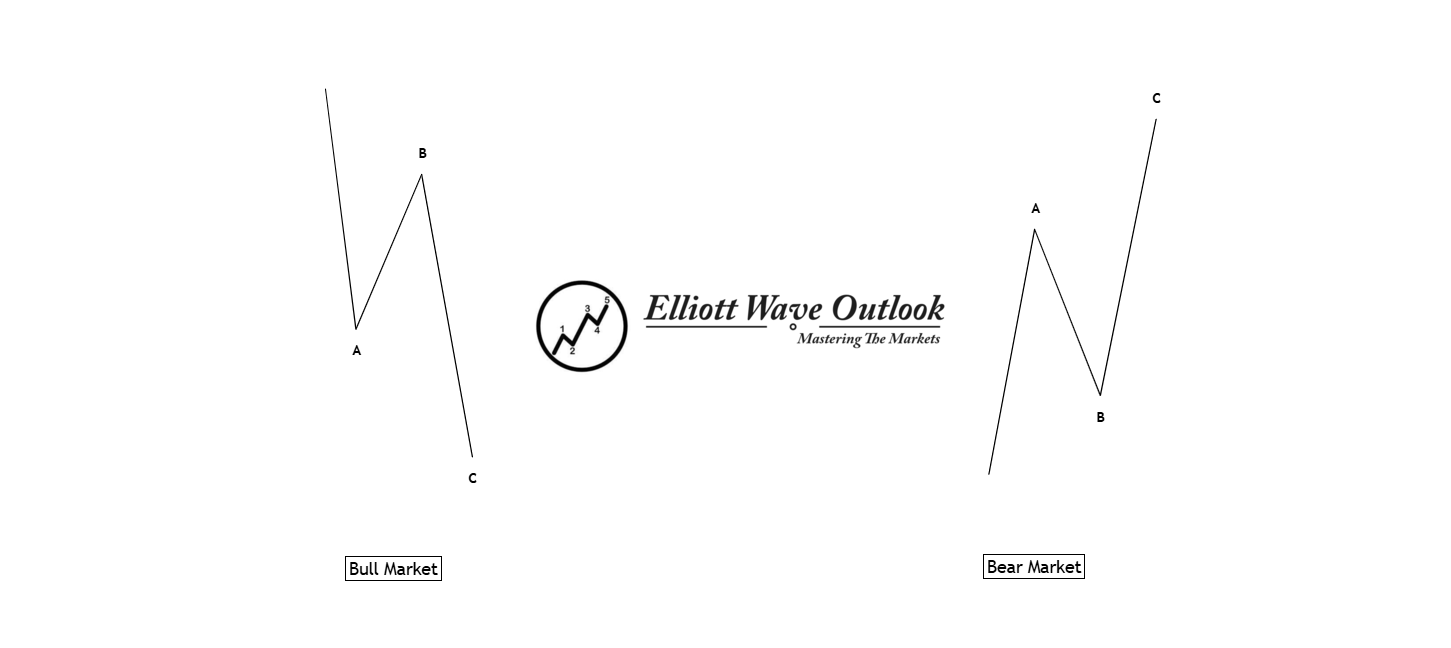
After the completion of the five-wave impulse sequence, the market enters a corrective phase known as the ABC correction.
Wave A: Initial decline against the trend
Wave B: Temporary upward retracement
Wave C: Final corrective movement
Corrective waves are essential in Elliott Wave trading because they help identify pullbacks and possible trend reversals.
Elliott Wave Market Cycle
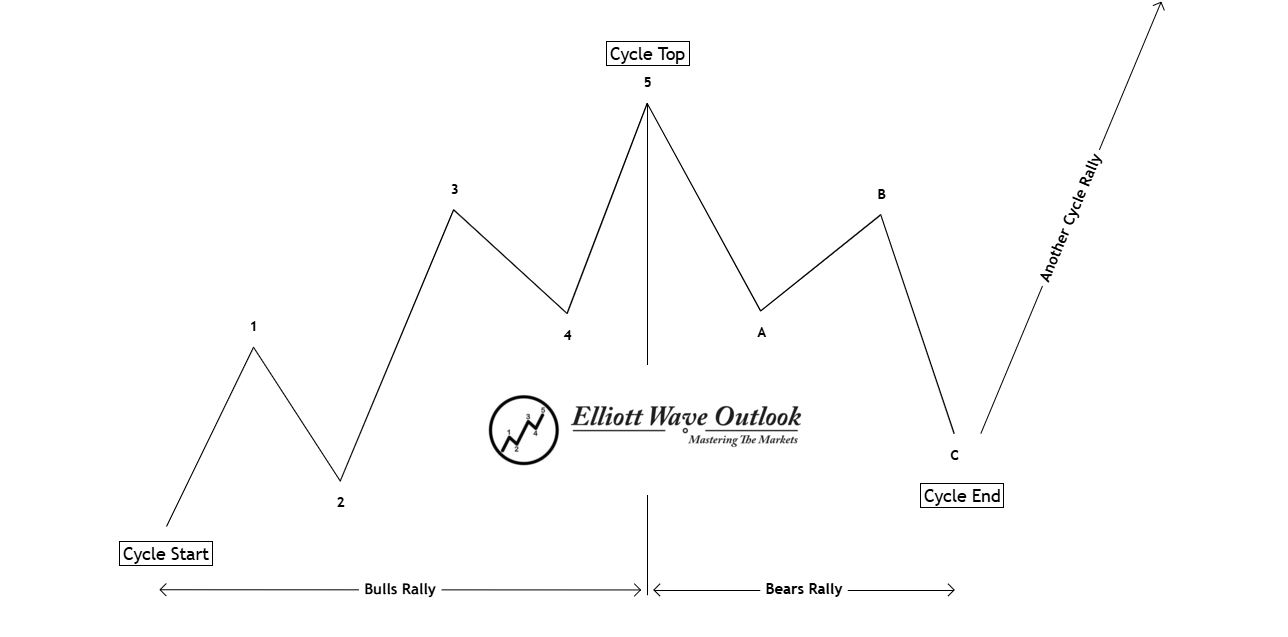
One of the biggest strengths of Technical Analysis Elliott Wave methods is the focus on crowd psychology. Market prices are driven by emotional cycles:
- Optimism creates bullish waves
- Fear creates bearish corrections
This emotional behavior repeats continuously, making Elliott Wave patterns visible across all financial markets.
Professional traders use Elliott Wave Chart Analysis to identify:
- Trend reversals
- Breakout opportunities
- Market corrections
- Long-term price targets
Elliott Wave Analysis and Trading Psychology
One of the biggest strengths of Technical Analysis Elliott Wave methods is the focus on crowd psychology. Market prices are driven by emotional cycles:
- Optimism creates bullish waves
- Fear creates bearish corrections
This emotional behavior repeats continuously, making Elliott Wave patterns visible across all financial markets.
Professional traders use Elliott Wave Chart Analysis to identify:
- Trend reversals
- Breakout opportunities
- Market corrections
- Long-term price targets
Elliott Wave Trading Strategy
An effective Elliott Wave Trading Strategy helps traders enter markets with better timing and reduced risk. Traders usually buy during corrective pullbacks and sell near wave completions.
The most popular strategies include:
- Trading Wave 3 breakouts
- Identifying Wave 5 reversals
- Using Fibonacci retracements
- Combining Elliott Waves with RSI and MACD
An advanced Elliott Wave Trading System often combines:
- Support and resistance
- Volume analysis
- Trend indicators
- Risk management techniques
Fractal Nature of Elliott Waves
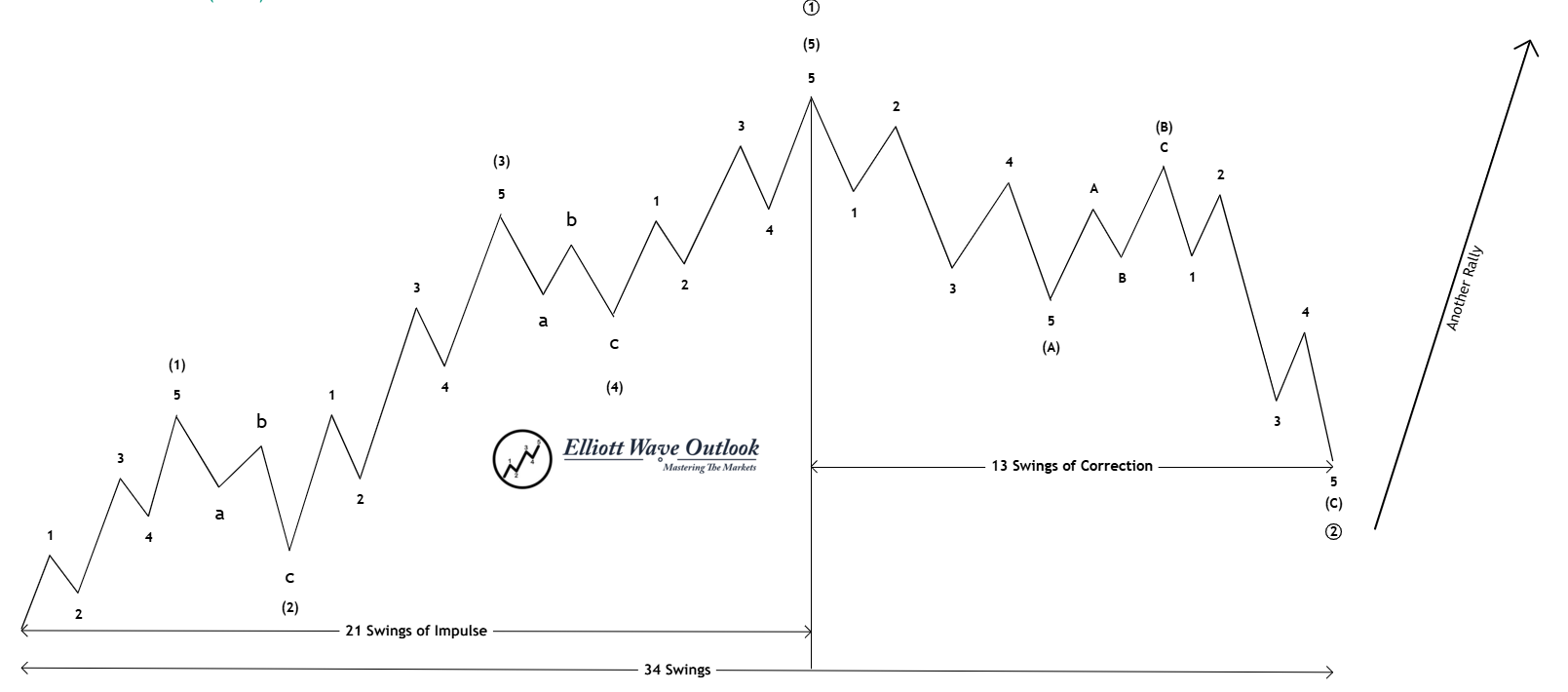
One of the most unique aspects of the Elliott Wave Principle is its fractal structure. Each wave contains smaller waves within it, and those smaller waves follow the same pattern rules. This means Elliott Wave patterns can be applied on:
- 1-minute charts
- Hourly charts
- Daily charts
- Weekly charts
- Monthly charts
Because of this fractal behavior, Elliott Wave analysis is useful for intraday traders, swing traders, and long-term investors alike.
Elliott Wave Principle and Fibonacci Ratios
The Elliott Wave Principle is strongly connected with Fibonacci retracement and Fibonacci extension levels. Traders use Fibonacci ratios to identify potential support, resistance, and price targets.
Common Fibonacci levels include:
- 38.2%
- 50%
- 61.8%
- 100%
- 161.8%
For example:
- Wave 2 often retraces 50% or 61.8% of Wave 1
- Wave 3 frequently extends 161.8% of Wave 1
This relationship between Elliott Waves and Fibonacci mathematics helps traders improve market forecasting accuracy.
Market Psychology and Elliott Wave Analysis
The Elliott Wave Principle is deeply rooted in crowd psychology. Financial markets move according to mass emotional behavior.
- Bullish impulse waves reflect optimism and greed
- Corrective waves reflect fear and uncertainty
Understanding these emotional cycles helps traders identify trend continuation and reversal opportunities more effectively.
Advantages of Elliott Wave Principle
The Elliott Wave Principle offers several important benefits:
- Helps identify market trends early
- Improves entry and exit timing
- Works in forex, stocks, crypto, and commodities
- Enhances risk management strategies
- Combines well with technical indicators
Professional traders often combine Elliott Wave analysis with:
- RSI (Relative Strength Index)
- MACD Indicator
- Moving Averages
- Price Action Trading
- Support and Resistance Analysis
Limitations of Elliott Wave Theory
Despite its effectiveness, the Elliott Wave Principle also has limitations:
- Wave counting can be subjective
- Complex corrections may confuse beginners
- Market volatility can invalidate wave patterns
- Requires experience and continuous practice
Because of these challenges, traders should always use proper stop-loss and money management strategies.
The Elliott Wave Principle remains one of the most powerful tools in modern technical analysis. By understanding wave structures, crowd psychology, and Fibonacci relationships, traders can gain valuable insights into market behavior and future price trends.
Whether applied to forex trading, stock market analysis, or cryptocurrency forecasting, the Elliott Wave Principle continues to help traders identify high-probability opportunities and improve overall trading performance.
Elliott Wave for Beginners
For newcomers, Elliott Wave for Beginners starts with learning the basic five-wave and ABC correction structures. Beginners should practice identifying waves on higher timeframes before moving to intraday trading.
Taking an Elliott Wave Course can also help traders understand advanced concepts such as diagonal patterns, complex corrections, and wave alternation.
Advanced Elliott Wave Strategy
An Advanced Elliott Wave Strategy includes combining wave analysis with:
- Fibonacci extensions
- Price action trading
- Market sentiment
- Multi-timeframe analysis
Professional traders often use these advanced methods to build the Best Elliott Wave Trading Setup for swing trading and long-term investing.
The Elliott Wave Principle remains one of the most influential methods in technical analysis. Whether applied to forex, stocks, or cryptocurrencies, Elliott Wave Theory helps traders understand market cycles, investor psychology, and future price movements.
From Elliott Wave Trading Strategy techniques to Elliott Wave Bitcoin Analysis, this powerful methodology continues to provide traders with deeper market insights and better decision-making opportunities in modern financial markets.