
Truncation in Elliott Wave Theory: Understanding a Powerful Market Signal
Truncation is one of the most important yet often misunderstood concepts in Elliott Wave Theory. It occurs when the fifth wave of an impulse pattern fails to move beyond the end of the third wave. This unusual market behavior signals weakening momentum and often precedes a significant trend reversal. For traders and investors using Elliott Wave Analysis, understanding truncation can provide valuable insights into market psychology and future price movements.
Truncation in Elliott Wave Theory is a rare but highly significant market phenomenon that traders use to identify potential trend reversals and market weakness. Within the framework of the Elliott Wave Principle, a truncation occurs when the fifth wave of an impulse sequence fails to move beyond the end of Wave 3. This unusual pattern provides valuable insights into market psychology and can help traders improve their Elliott Wave Analysis and trading decisions.
What is Truncation?
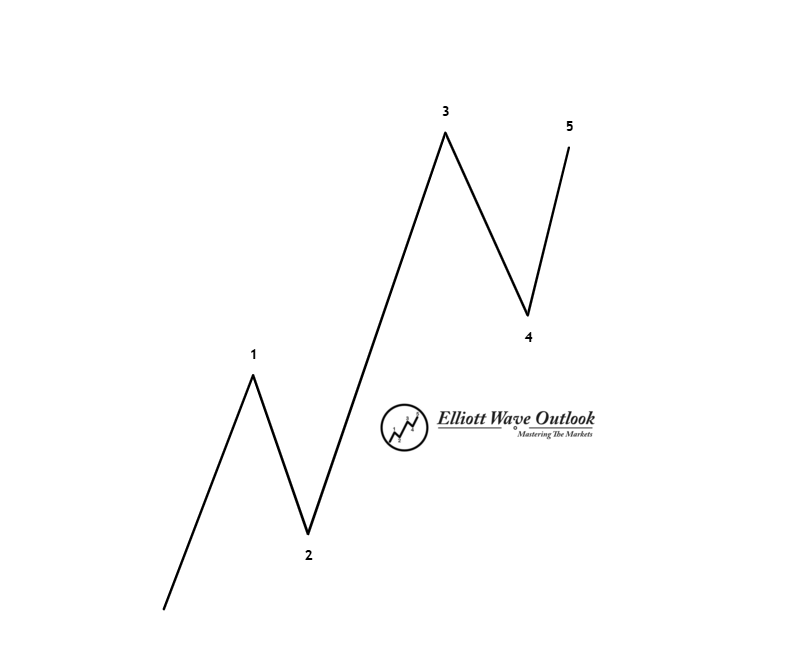
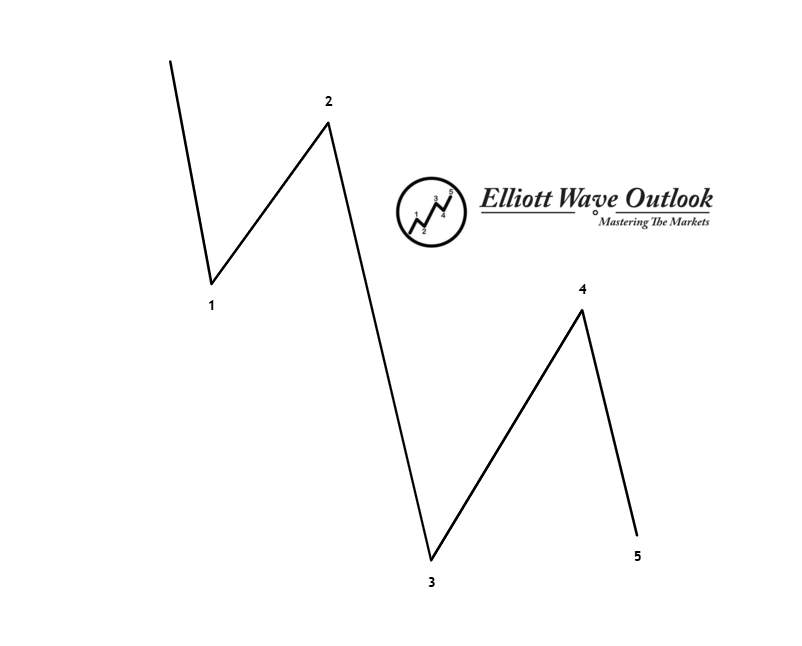
In a typical Elliott Wave Pattern, a five-wave impulse structure consists of waves 1, 2, 3, 4, and 5. Under normal circumstances, Wave 5 extends beyond the peak of Wave 3 in an uptrend or below the bottom of Wave 3 in a downtrend. However, when Wave 5 fails to achieve a new extreme and falls short of the end of Wave 3, a truncation occurs.
This phenomenon is also known as a "failed fifth wave" because the market is unable to complete the expected final push in the direction of the prevailing trend.
In a standard Elliott Wave Pattern, an impulse wave consists of five waves moving in the direction of the primary trend. Normally, Wave 5 extends beyond the peak of Wave 3 in an uptrend or below the bottom of Wave 3 in a downtrend. However, in a truncation, Wave 5 falls short of exceeding the end of Wave 3.
This failure indicates that the prevailing trend is losing momentum and that buyers or sellers no longer have enough strength to push prices to new highs or lows. As a result, a significant correction or trend reversal often follows.
Why Does Truncation Happen?
Truncation reflects a significant shift in market sentiment. It usually develops when buying or selling pressure weakens dramatically before the trend reaches its natural conclusion. Several factors can contribute to this situation:
- Strong profit-taking by institutional traders.
- Sudden changes in market fundamentals.
- Economic or geopolitical events.
- Extreme market exhaustion after a prolonged trend.
- Divergence in technical indicators.
In terms of Technical Analysis Elliott Wave, truncation indicates that market participants no longer have the conviction needed to continue pushing prices in the current trend direction.
How Truncation Forms?
A truncation usually develops after a strong and extended Wave 3. During Wave 3, market participants become highly optimistic in an uptrend or extremely pessimistic in a downtrend. The intense movement exhausts much of the market's buying or selling power.
When Wave 4 completes and Wave 5 begins, traders expect another push in the direction of the trend. However, due to weakened momentum and declining participation, Wave 5 fails to reach a new extreme. This creates a truncated fifth wave, signaling that the current trend may be nearing its end.
Characteristics of a Truncated Fifth Wave
Traders conducting Elliott Wave Chart Analysis should look for the following characteristics:
- Wave 3 is typically very strong and extended.
- Wave 5 lacks momentum compared to previous waves.
- Market indicators often show bearish or bullish divergence.
- Trading volume decreases during Wave 5.
- A sharp correction frequently follows the truncation.
These features make truncation one of the most reliable warning signs in Technical Analysis Elliott Wave studies.
Truncation and Fibonacci Relationships
The connection between Fibonacci Elliott Wave analysis and truncation is important. Although Wave 5 often reaches common Fibonacci extension levels, a truncated Wave 5 may fail to achieve these targets. This failure itself becomes a powerful clue that market momentum is weakening.
When Fibonacci projections indicate a likely Wave 5 target but price cannot reach it, traders should consider the possibility of a truncation and prepare for a corrective move.
Identifying a Truncated Fifth Wave
Recognizing truncation requires careful Elliott Wave Chart Analysis. Traders should look for the following characteristics:
- A clearly identifiable five-wave impulse structure.
- A strong and extended third wave.
- A corrective fourth wave.
- A weak fifth wave that fails to exceed the termination point of Wave 3.
- Momentum indicators showing bearish or bullish divergence.
Because truncations are relatively rare, traders should confirm the pattern with additional technical tools such as volume analysis, RSI, MACD, or Fibonacci Elliott Wave relationships.
Truncation and Market Psychology
Market psychology plays a crucial role in the formation of a truncation. During a mature trend, most participants have already entered their positions. As enthusiasm fades, fewer traders are willing to buy at higher prices or sell at lower prices.
The result is a weak Wave 5 that cannot sustain the existing trend. This loss of momentum often signals that a major correction or complete trend reversal is about to begin. For this reason, truncation is considered a highly valuable signal in Elliott Wave Prediction.
Truncation in Forex, Stocks, and Cryptocurrency Markets and Fibonacci Relationships
Truncations can appear across all financial markets, including Elliott Wave Forex Trading, stock trading, and Elliott Wave Cryptocurrency Analysis. Whether analyzing currency pairs, equities, commodities, or digital assets, the psychological principles behind truncation remain the same.
In the Elliott Wave Stock Market, truncations often occur near the end of major bull or bear market cycles. Similarly, in cryptocurrency markets, where volatility is high, truncated fifth waves can provide early warning signals before sharp reversals.
Trading Strategy for Truncation
A truncated fifth wave can create profitable opportunities when incorporated into an Elliott Wave Trading Strategy. Traders often use truncation as an early warning sign that the market trend is ending.
Key trading considerations include:
- Waiting for confirmation of the trend reversal.
- Monitoring support and resistance levels.
- Using stop-loss orders to manage risk.
- Combining Elliott Wave counts with momentum indicators.
- Applying Fibonacci retracement levels to estimate correction targets.
Whether trading stocks, forex, or cryptocurrencies, truncation can improve the accuracy of an Elliott Wave Trading System.
Importance in Modern Markets
Today, truncation is widely used in Elliott Wave Stock Market analysis, Elliott Wave Forex Trading, and Elliott Wave Cryptocurrency Analysis. As financial markets become increasingly volatile, identifying failed fifth waves can help traders anticipate major turning points before they become obvious to the broader market.
Truncation is one of the most important concepts in Elliott Wave Theory because it reveals underlying weakness in a trend before a major reversal occurs. By mastering truncation identification, traders can improve their Elliott Wave Prediction skills, strengthen their Elliott Wave Analysis, and make more informed trading decisions.
Whether you are a beginner learning Elliott Wave Explained concepts or an experienced trader using an Elliott Wave Indicator, understanding truncation can provide a valuable edge in today’s financial markets.
Truncation is a powerful concept within the Elliott Wave Principle that signals weakening trend momentum and a potential market reversal. Although it occurs less frequently than standard impulse patterns, its predictive value makes it an essential component of Elliott Wave Explained. By mastering truncation and combining it with Elliott Wave Indicator tools and Fibonacci analysis, traders can enhance their market forecasts and make more informed trading decisions.